


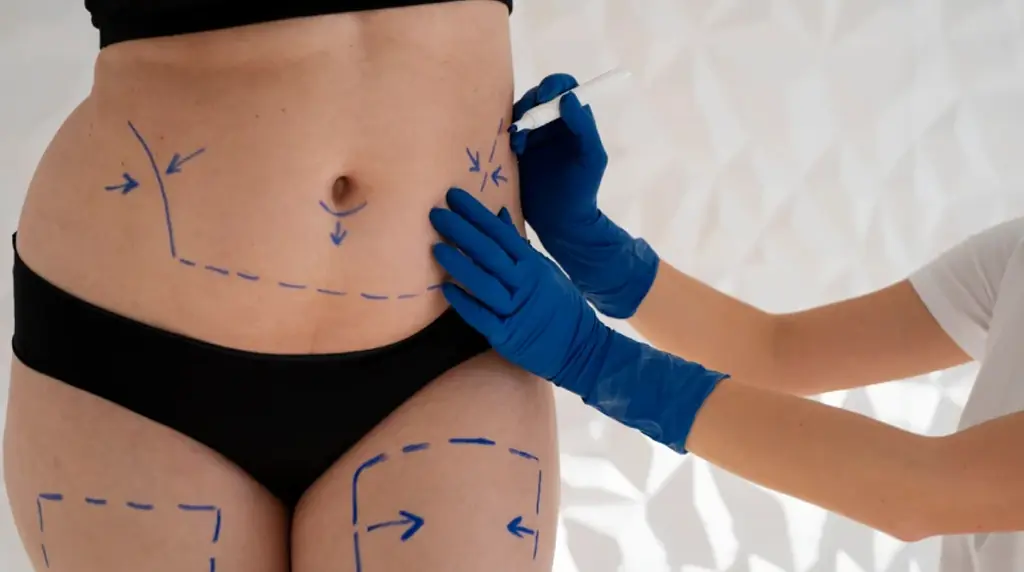
Liposuction Surgery (Lipoplasty) Guide
Liposuction, also referred to as Lipoplasty (“fat reshaping”) or Suction-Assisted Lipectomy, is a cosmetic surgical procedure designed to remove localized stubborn fat deposits from targeted areas of the body. Frequently treated regions include the abdomen, hips, thighs, buttocks, neck, upper arms, and flanks. Fat tissue is aspirated using fine specialized cannulas connected to a vacuum suction system.
While regular exercise and a balanced diet are fundamental for weight management and overall health, certain localized fat pockets are genetically resistant to diet and physical activity. In such instances, liposuction serves as an effective body-sculpting intervention. It is essential to understand that liposuction is not a substitute for weight loss or lifestyle habits, but rather a procedure meant for targeted body contouring.
The volume of fat removed varies according to clinical assessment, technique, and patient anatomy, typically averaging under $10\text{ lbs}$ ($5\text{ kg}$). Multiple physiological factors limit the maximum volume of fat that can be safely evacuated in a single operative session. Over-aspiration can compromise patient safety and lead to undesirable skin contour irregularities, indentations, or waviness. Claims of massive volume removals in a single setting are often exaggerated. However, because liposuction refines body proportions, the visual enhancement often appears far more pronounced than the actual weight of the removed fat tissue.
Ideal Candidates for Liposuction
Liposuction is not suited for generalized obesity or unrealistic weight loss expectations. An ideal candidate meets the following criteria:
-
Age 18 or older.
-
Good overall physical health with stable body weight.
-
Possesses localized fat deposits (the last $10\text{–}15\text{ lbs}$ resistant to diet and exercise).
-
Free from uncontrolled medical conditions such as diabetes, active infections, or cardiovascular diseases.
-
Good skin elasticity. Older patients or individuals with significant skin laxity may require combined surgical procedures (such as a tummy tuck or skin lift) alongside liposuction to achieve firm, smooth contours.
Pre-Operative Guidelines & Preparation
-
Medical History: Disclose all medical conditions, prior surgeries, drug allergies, and current medications to your medical team.
-
Medications to Stop: Discontinue aspirin, ibuprofen, naproxen, piroxicam, NSAIDs, anti-inflammatories, arthritis medications, and vitamin supplements (especially Vitamin E) for 10 days before and 10 days after surgery to prevent excessive bleeding. Acetaminophen (Paracetamol) is the only approved pain reliever prior to surgery.
-
Personal Items: Inform your surgeon if you wear contact lenses or dentures. Do not wear contact lenses or jewelry on the day of surgery.
-
Alcohol Interdiction: Avoid alcoholic beverages for several days before and at least one week after surgery to prevent bleeding risks and drug interactions.
-
Logistics: Arrange for a responsible adult companion to escort you home on the day of surgery and assist you during the first 24 hours of recovery.
-
Hygiene: Shower thoroughly the night before and the morning of surgery, washing hair and body with shampoo. Use an antibacterial soap specifically on the lower abdomen and navel area. Avoid applying hair sprays, hair mousses, or skin lotions.
Post-Operative Care & Recovery Instructions
-
Rest & Early Mobility: Rest quietly on the day of surgery. Light indoor walking is encouraged to promote lower-limb venous circulation. Resume light daily activities after 48 hours.
-
Fluid Drainage: Oozing of pinkish serosanguinous fluid from small incision sites is normal for $2\text{–}3\text{ days}$. This represents residual tumescent local anesthetic fluid used during surgery. Drainage decreases significantly within 48 hours.
-
Hydration & Diet: Drink at least one glass of water every hour on the day of surgery, maintaining $4\text{–}5$ glasses daily along with healthy fluids. Avoid high-sodium liquids (like canned tomato juice) to prevent fluid retention. Eat light, low-salt, balanced meals. Avoid gas-producing foods (beans, cabbage, legumes).
-
Compression Garment Use: Wear the specialized compression garment for 23 hours a day during the first week. For the following 3 weeks, wear it for $12\text{–}23$ hours daily (including during sleep). Compression reduces swelling, prevents seroma formation, and molds remaining fat layers to the new body contours.
-
Bathing & Incision Care: Remove the compression garment 24 hours post-op to take a gentle shower with mild soap and water. Pat incision sites dry, apply sterile gauze pads, and reapply the clean garment.
-
Return to Work: Most patients return to sedentary desk work within 1 to 2 weeks, depending on the extent of treatment and individual recovery.
-
Walking Routine: Walk at least $2\text{–}3\text{ kilometers}$ daily starting from the day after surgery. Walking is the single most effective intervention for reducing post-op swelling.
-
Medications & Pain: Take all prescribed medications strictly as directed. Mild discomfort is managed with prescribed analgesics or acetaminophen. Avoid NSAIDs or aspirin post-operatively.
-
Driving & Water Exposure: Do not drive on the day of surgery. Driving may resume after 48 hours if you are not taking sedating medications. Avoid soaking in bathtubs, hot tubs, or swimming pools until incisions are completely healed; showers are permitted.
-
Sun & Tanning: Protect incision sites from direct sunlight to prevent hyperpigmentation. Avoid self-tanning creams until all bruising has completely resolved.
Frequently Asked Questions (FAQ)
When can I resume exercise and workouts?
Light walking is encouraged immediately (excluding heavy exertion during the first two days) to accelerate edema resolution. Light sports activities can typically resume after 3 weeks, while heavy strength training and strenuous exercise may resume after 6 weeks as advised by your surgeon.
Will fat cells return to the treated areas?
Adipose (fat) cells resected during liposuction are permanently eliminated. However, if a patient does not maintain a balanced diet and regular exercise routine post-operatively, remaining fat cells in the body can enlarge. Liposuction establishes your ideal body contour; maintaining it depends on healthy lifestyle choices.
Why is wearing a compression garment so critical?
Post-surgical swelling is expected. The compression garment minimizes interstitial fluid accumulation, supports healing tissue planes, and helps contour the remaining fat layer smoothly. Initial swelling may make patients feel unchanged or temporarily heavier, but 80% of the final outcome becomes visible by month 2, with full resolution of edema taking up to 6 months.