


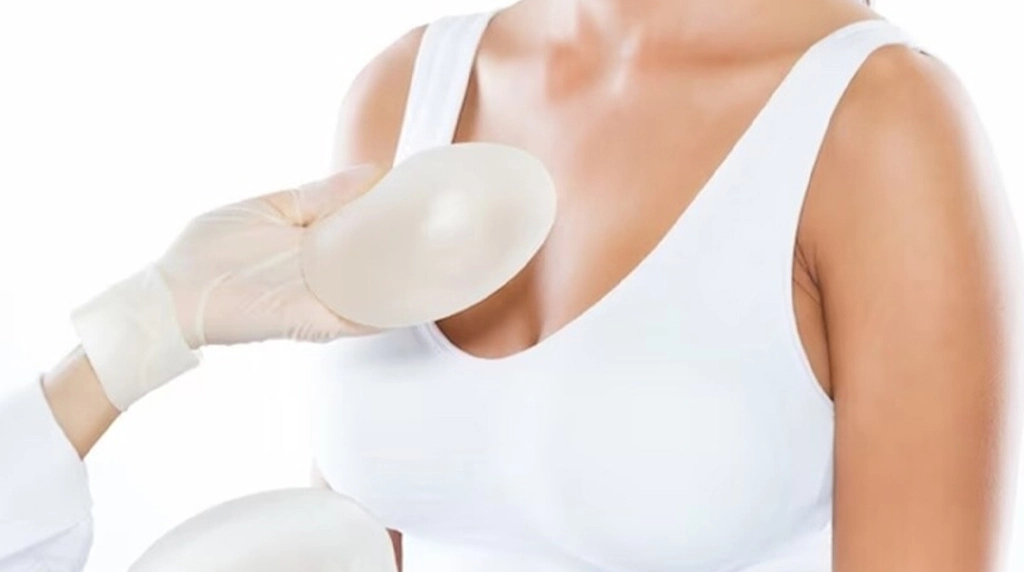
Breast Prosthesis Surgery (Breast Augmentation) Guide
Breast augmentation with prosthesis is one of the most successful body contouring surgeries, significantly enhancing silhouette proportions and boosting personal self-confidence. Performed for over 40 years, it has become increasingly popular worldwide. With technological advancements, modern surgical equipment and superior implant generations ensure outstanding safety and results.
Historically, earlier saline implants featured a silicone shell rolled tightly and inserted via a minimal incision before being filled with saline solution. However, patients occasionally reported a sensation of unnatural heaviness during movement, visible rippling, or sudden deflation due to shell fatigue. While harmless—since saline is naturally reabsorbed by the body—modern plastic surgery has shifted to advanced cohesive silicone gel implants. Today, surgeons utilize implants with a durable silicone elastomer shell pre-filled with medical-grade cohesive gel, tailored in volume and profile to achieve balanced, natural breast proportions.
Ideal Candidates for Breast Prosthesis Surgery
-
Individuals with underdeveloped breast tissue (hypoplasia) or tissue atrophy following severe weight loss or breastfeeding.
-
Women seeking breast reconstruction following mastectomy (breast cancer treatment).
-
Correction of congenital breast asymmetries.
-
Treatment of mild breast sagging (or combined with a breast lift/mastopexy for moderate to severe ptosis).
Breast augmentation can be performed from age 18 onward, and there is no upper age limit for refining breast contours. Sizing is determined through collaborative consultation between the surgeon and the patient, carefully balancing individual aesthetic goals with anatomical proportions, such as bust-to-hip ratio and chest wall footprint.
Medical Screening Notice: The U.S. FDA confirms that cohesive silicone implants remain safe and thoroughly evaluated. Routine post-operative evaluations with ultrasound or MRI by a qualified radiologist ensure ongoing implant integrity over time.
What to Expect After Breast Prosthesis Surgery
-
Pain & Discomfort: Post-operative discomfort varies depending on whether implants are placed subglandularly or submuscularly. Pain is typically managed with prescribed analgesics during the first 5 days.
-
Swelling & Asymmetry: Post-surgical edema is expected and resolves within 2 to 3 weeks. Swelling may resolve at different rates on each side, causing temporary asymmetry that balances out once healing progresses.
-
Implant Settling (Drop and Fluff): Implants initially appear positioned high on the chest wall. Over 2 to 3 months, gravity and tissue relaxation allow them to settle into their natural position. One breast may settle faster than the other.
-
Nipple Sensation: Temporary alterations in nipple or breast sensitivity (numbness or hypersensitivity) can occur due to local nerve adaptation. Full nerve recovery can take up to 18 months.
Essential Post-Operative Guidelines
-
Rest & Movement: Walk gently during early recovery. Avoid heavy lifting, stretching, or upper-body strain for the first 10 days.
-
Physical Activities: Resume light sports activities after 3 weeks, and intimate activities after 4 weeks as advised by your surgeon.
-
Incision Care & Hygiene: Keep dressings clean and completely dry for 2 weeks; avoid full soaking baths. Initial dressings are evaluated after one week.
-
Scar Maturation: Surgical incisions are small (approximately $4\text{ cm}$). Early redness, mild inflammation, and itching are natural signs of healing. Incisions gradually fade, soften, and flatten over time.